


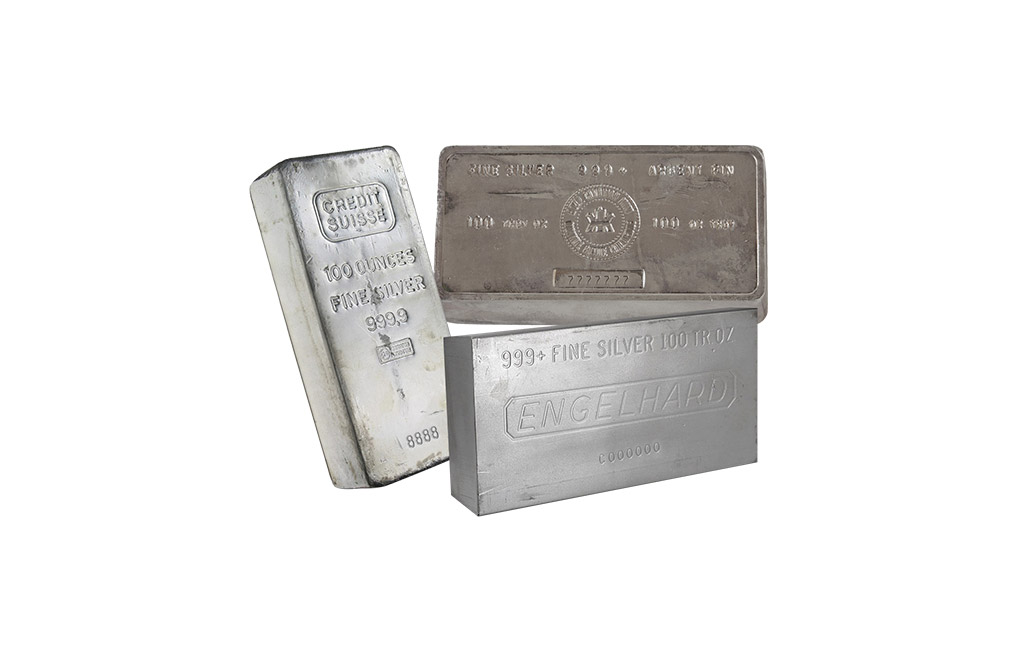
Silver trades around $30 per ounce. Gold sits at $3,600. That price difference makes silver the entry point for most new precious metals investors.
But accessibility comes with questions.
Where do you buy silver?
What form should you choose?
How do you store it safely?
This guide shows you how to buy silver in 2026, from choosing between coins and bars to finding reputable dealers and avoiding common mistakes. At Bullion Box, not only do we provide monthly subscription plans for precious metals investments, but we also share valuable information from our experts.
5 Ways To Invest in Silver
1. Physical Silver (Coins, Bars, and Rounds)
Physical silver means you own actual metal. You can hold it, store it, and sell it whenever you choose.
Silver coins come from government mints. American Silver Eagles contain one troy ounce of 99.9% pure silver. Canadian Silver Maple Leafs match that purity and weight. These coins carry legal tender status even though their silver value exceeds face value.
Government coins trade at higher premiums than other silver forms. Expect to pay 15-25% over spot price for popular coins. That premium reflects minting costs, dealer markup, and collector demand. When you sell, you often recover some of that premium.
Silver bars offer better value per ounce. A 10-ounce silver bar costs less per ounce than ten 1-ounce coins. Bars come in sizes from 1 ounce to 1,000 ounces. Most investors focus on 1-ounce, 5-ounce, 10-ounce, and 100-ounce bars.
Investment-grade bars contain at least 99.9% pure silver. Reputable refiners like PAMP Suisse, Royal Canadian Mint, and Sunshine Minting produce quality bars. Each bar should show the refiner name, weight, purity, and serial number for larger sizes.
Premiums on bars run 3-12% over spot, depending on size. Larger bars command lower premiums per ounce. A 100-ounce bar might cost 3-5% over spot, while a 1-ounce bar runs 8-12% over spot.
Silver rounds look like coins but come from private mints. They’re not legal tender. Silver rounds typically contain one troy ounce of silver and cost less than government coins. Premiums run 5-10% over spot, making them cheaper than Eagles or Maple Leafs.
Private mints create unique designs for rounds. Some feature generic designs while others commemorate specific themes. You own the same silver content as coins but pay less for it.
This method works for investors who want tangible assets outside the financial system. You control your silver. No intermediary holds it. Storage and insurance become your responsibility.
2. Silver ETFs (Exchange-Traded Funds)
ETFs give you exposure to silver without physical possession. You buy shares that track silver’s price or invest in silver mining companies.
Physical silver ETFs hold actual silver bars in vaults:
iShares Silver Trust (SLV): The largest silver ETF
Aberdeen Standard Physical Silver Shares (SIVR): Lower expense ratio option
SPDR Gold Shares also offers silver exposure
These ETFs buy physical silver and store it in secure facilities. When you own shares, you own a slice of that silver pool. Most don’t allow you to redeem shares for actual metal. You sell shares for cash instead.
Expense ratios range from 0.25% to 0.50% annually. You avoid storage costs and insurance headaches. Liquidity is excellent since you can trade during market hours.
Silver mining ETFs invest in companies that mine silver:
Global X Silver Miners ETF (SIL): Focuses on silver mining stocks
iShares MSCI Global Silver and Metals Miners ETF (SLVP): Broader mining exposure
Mining stocks don’t track silver prices directly. A well-managed mining company might outperform silver itself. A poorly-run company might underperform even if silver prices rise.
ETFs make sense for investors who want easy buying and selling. You need a brokerage account. No storage arrangements required. No insurance to buy. Trading happens with a few clicks.
The downside is you don’t own actual metal. In a severe financial crisis, you hold shares in a fund, not silver you can touch. Tax treatment as collectibles also means 28% long-term capital gains rates.
3. Silver Mining Stocks
Individual silver mining stocks offer leveraged exposure to silver prices. When silver rises 10%, a mining company’s profits might jump 20-30%. When silver falls, mining stocks often drop harder.
Major silver mining companies include:
First Majestic Silver Corp
Pan American Silver Corp
Wheaton Precious Metals Corp
These companies have operating mines, established management, and proven reserves. Junior mining companies explore for new deposits with higher risk and higher potential returns.
Mining stocks depend on factors beyond silver prices. Labor costs, energy expenses, political stability in mining regions, management quality, and production efficiency all affect stock performance. A silver price increase doesn’t guarantee stock gains.
This approach works for investors comfortable researching individual companies. You need to understand financial statements, production metrics, and mining economics. The potential upside exceeds owning silver directly. The risks are also greater.
4. Silver IRAs
A silver IRA holds physical silver in a retirement account with tax benefits. You get the same tax advantages as traditional or Roth IRAs while owning actual metal.
The IRS requires 99.9% minimum purity for IRA-eligible silver. Approved products include American Silver Eagles, Canadian Silver Maple Leafs, and certain silver bars from recognized refiners. You can’t store IRA silver at home. It must stay in an IRS-approved depository.
Costs for silver IRAs include:
Setup fees: $50-150
Annual custodian fees: $75-300
Storage fees: $100-300 per year
Transaction fees when buying or selling silver
Traditional silver IRAs let you deduct contributions now and pay taxes on withdrawals in retirement. Roth silver IRAs use after-tax money now for tax-free withdrawals later if you follow the rules.
This makes sense for retirement planning when you want precious metals inside tax-advantaged accounts. You can’t access the silver without triggering taxes and potential penalties before retirement age. Required minimum distributions start at age 73.
5. Silver Subscription Services
Monthly silver subscriptions deliver curated selections to your door. You pick a budget, and experts choose the silver products each month.
This approach works differently from one-time purchases. You commit to monthly deliveries. Each box includes silver coins, bars, or rounds selected by professionals. You own everything you receive. Cancel anytime with month-to-month plans.
Subscription tiers typically range from $125 to $1,000 per month. Higher tiers include more silver and sometimes gold mixed in. You build your position through automatic purchases without researching each transaction.
Benefits include no decision paralysis about what to buy, automatic dollar-cost averaging as you buy at different price points, expert selection removes authentication concerns, and steady accumulation without constant shopping.
The tradeoff is paying for curation services. You have less control over specific items received each month. Storage remains your responsibility, just like buying silver directly.
How To Buy Silver: Step-by-Step Process
Step 1: Decide How Much Silver To Buy
Financial advisors typically suggest 5-10% of your portfolio in precious metals. This includes both gold and silver combined.
For a $50,000 portfolio, that means $2,500-5,000 in precious metals. You might split this 70% gold and 30% silver, or adjust based on your preferences. The lower price of silver lets you accumulate more ounces faster than gold.
Don’t invest money you’ll need within 12 months. Silver prices fluctuate. You need time for your investment to work. Consider silver a 3-5 year minimum holding for best results.
Step 2: Choose Your Silver Form
Start with 1-ounce products when learning. This gives you flexibility to sell small amounts if needed. As you gain experience, larger bars offer better value per ounce.
Government coins like American Silver Eagles cost more but have higher recognition. Silver rounds and bars cost less per ounce. Your choice depends on whether you value government backing or prefer maximizing ounces for your budget.
Step 3: Find Reputable Silver Dealers
Look for dealers with these characteristics:
Years in business (10+ years preferred)
Industry memberships (Professional Numismatists Guild, Industry Council for Tangible Assets)
Physical business address, not just P.O. boxes
Clear pricing is displayed on the website
Positive reviews on Better Business Bureau and Trustpilot
Published buyback policies
Major online silver dealers include established companies with decades of history. Compare at least three dealers before buying. Check their current prices, shipping costs, payment fees, and minimum order requirements.
Local coin shops offer the advantage of seeing silver before buying. You can pay cash and take immediate possession. Prices typically run 2-5% higher than online dealers. Selection is usually more limited.
Step 4: Compare Total Costs
Silver has a spot price that changes constantly during trading hours. Dealers add a premium to cover their costs and profit. Your total cost includes spot price, dealer premium, shipping fees (usually $10-50), payment processing if using credit cards (3-4% extra), and insurance for shipping.
A 10-ounce silver bar at $30 spot costs:
Spot price: $300
Premium at 7%: $21
Shipping: $15
Total: $336
Compare the total delivered cost per ounce across dealers. The lowest advertised price isn’t always the best deal after adding fees.
Step 5: Arrange Storage Before Buying
Know where you’ll keep silver before it arrives. Don’t wait until a package sits on your doorstep to figure out storage.
Step 6: Make Your Purchase
Most dealers accept bank wire, check, or credit card. Wire transfers and checks often get better pricing. Credit cards add 3-4% but offer fraud protection and rewards points.
Orders over $10,000 in cash trigger IRS reporting requirements. Dealers collect your information for Form 8300. This is standard procedure, not a problem.
Track your shipment. Sign for delivery. Inspect the packaging before the delivery person leaves. Photograph everything. Record serial numbers for bars over 1 ounce.
Common Mistakes When Buying Silver
Starting with rare or numismatic coins: New investors sometimes buy collectible silver coins at huge premiums. Stick to bullion coins valued for silver content. Leave numismatics to experienced collectors.
Ignoring total costs: The advertised price isn’t what you pay. Add premiums, shipping, payment fees, and insurance. Compare the total delivered cost per ounce across dealers.
Buying from unverified sellers: Fake silver exists. Tungsten cores with silver plating fool basic tests. Buy only from established dealers with industry credentials and positive reviews.
Skipping storage planning: Silver arrives, and buyers realize they have nowhere secure to keep it. Arrange storage before ordering, not after.
Paying with credit cards without considering fees: A 3-4% credit card fee on a $1,000 purchase costs $30-40. Pay with bank wire or check and save that money unless credit card rewards offset the fee.
Over-allocating to silver: Putting 30-40% of your portfolio in silver creates concentration risk. Stick to 5-10% in precious metals total. Silver shouldn’t dominate your investments.
Selling during price dips: Transaction costs mean you need silver to appreciate 10-15% just to break even. Don’t panic sell during temporary price drops. Give your investment time.
Forgetting about taxes: Silver sales trigger capital gains taxes. Keep purchase receipts. Record the date and price. You need this information when selling.
Tax Considerations When Buying Silver
The IRS treats physical silver as a collectible, not a regular investment.
Short-term gains on silver held less than one year are taxed as ordinary income at your tax bracket rate. Long-term gains on silver held more than one year face a maximum 28% tax rate. This is higher than the 15-20% rate for most stocks.
Dealers must report certain silver sales to the IRS:
Sales of 1,000 ounces or more of silver bars
Sales of bags containing $1,000 face value of pre-1965 U.S. silver coins
These reporting requirements apply to dealers, not buyers. You’re still responsible for reporting gains on your tax return, regardless of whether the dealer files forms.
Keep detailed records:
Purchase receipts with date and amount paid
Selling receipts with date and amount received
Storage costs (may be deductible as investment expenses)
Insurance premiums (may be deductible)
Silver IRAs follow standard IRA tax rules. Contributions may be deductible. Growth is tax-deferred. Withdrawals are taxed as ordinary income in retirement.
Should You Buy Silver In 2026?
Silver’s industrial demand keeps growing. Electric vehicles use silver in every car. Solar panel installations break records annually. Electronics manufacturing expands. These trends support long-term silver demand beyond just investment buying.
At current prices around $30 per ounce, silver remains accessible for new investors. You don’t need thousands of dollars to start. A few hundred gets you meaningful silver positions.
Consider buying silver now if you have no precious metals exposure, want portfolio diversification beyond stocks and bonds, can hold for 3-5 years minimum, have secure storage arranged, and silver represents under 10% of total portfolio.
Silver works best as portfolio insurance, not a primary investment. It preserves wealth during uncertainty. It doesn’t build wealth like productive assets. Buy it as part of a balanced plan, not as your main strategy.